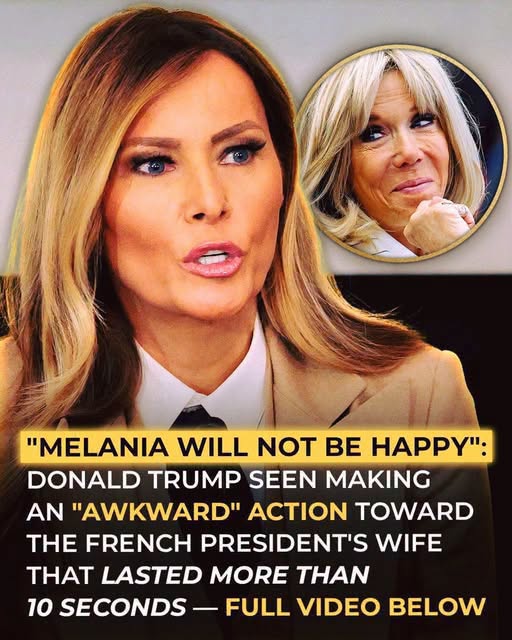
High-level diplomatic events such as international summits are often carefully structured to project unity, cooperation, and controlled formality. Yet in the modern media environment, even brief moments between world leaders can become the focus of intense global discussion. At events like the G7 summit, where leaders such as Donald Trump, Emmanuel Macron, and other global figures meet, every gesture, handshake, and expression is observed, recorded, and analyzed in real time.
In many cases, the official agenda of such summits focuses on economic cooperation, security policy, and international relations. However, public attention often shifts toward informal moments that occur between formal discussions. These moments, though brief, are frequently replayed across media platforms, where they are interpreted through political, emotional, and cultural perspectives.
One recurring subject of analysis in diplomatic coverage is body language during greetings and handshakes. These interactions are traditionally intended to be brief and symbolic, representing mutual respect between nations. However, variations in duration, posture, or eye contact can quickly become topics of discussion when viewed through a political lens.
At major summits, leaders are constantly surrounded by cameras, journalists, and security personnel. This environment creates a setting where even natural or unplanned gestures can be magnified. A handshake that lasts slightly longer than expected, or a moment of physical guidance while walking, may be interpreted in multiple ways depending on the viewer’s perspective.