
Behind the megawatt smile and blockbuster success lies a personal story far more intense than most fans ever imagined.
Long before he became one of Hollywood’s most recognizable faces, this superstar was a frightened child growing up in a household ruled by fear, discipline, and emotional contradiction — a childhood that would leave scars lasting decades.
Few people realize that, at one point in his life, the actor admitted to having dark thoughts about his own father. Even fewer know that a single moment at just nine years old became the emotional fault line he spent his entire life trying to mend.
Fame has a way of disguising pain. Red carpets and awards ceremonies rarely reveal what happens behind closed doors — especially when the trauma begins at home.
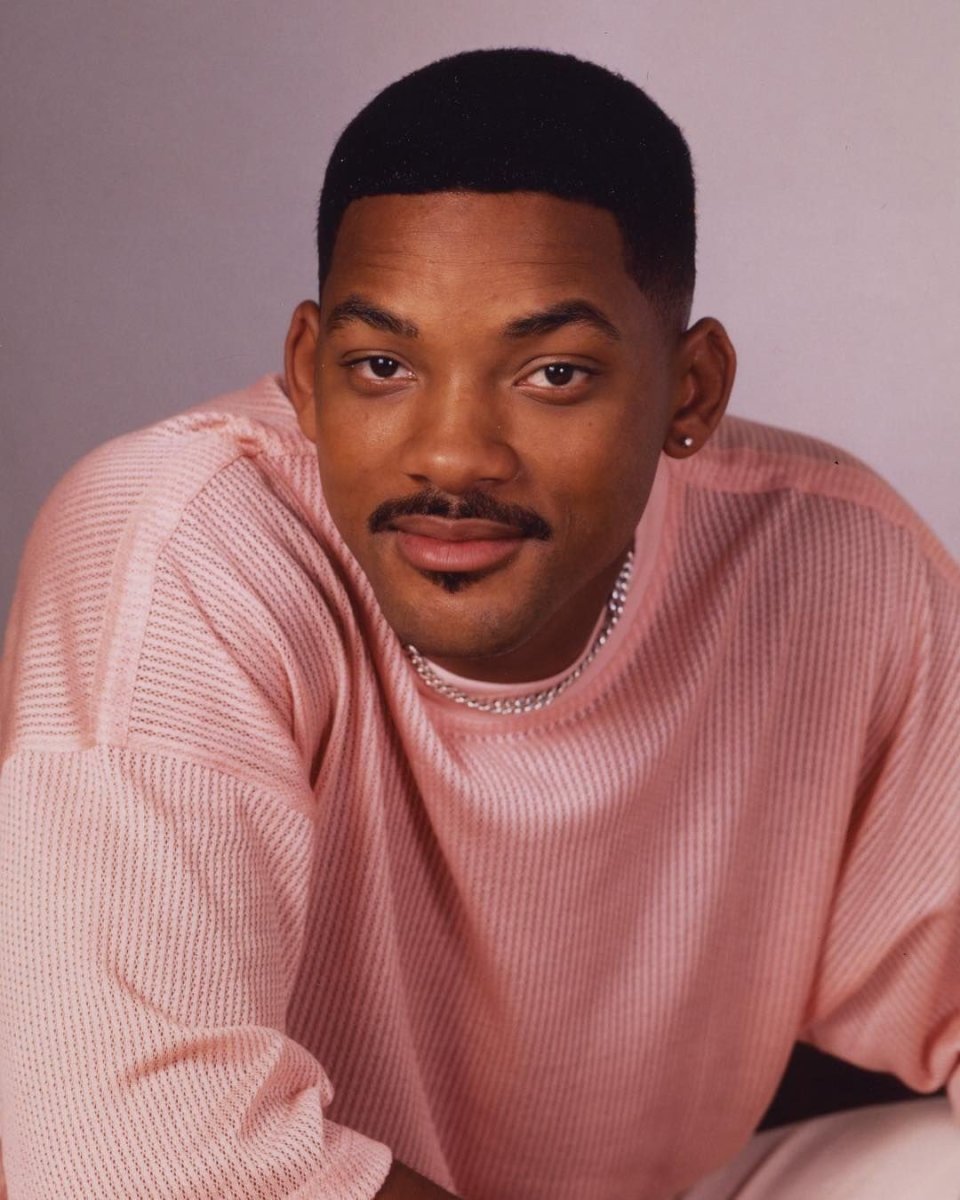
In this case, the future movie star grew up under the authority of a father known not for warmth, but for intensity. He wasn’t called “Dad.” He was “Daddio.” The nickname carried weight — and expectation.
Perfection wasn’t encouraged; it was demanded. Chores became evaluations. Mistakes weren’t lessons — they were failures. In that household, anything short of flawless performance was unacceptable.
His father, a school administrator with a rigid worldview, believed life operated in absolutes. You either won or you lost. You either succeeded — or you were nothing.
That pressure shaped everything.
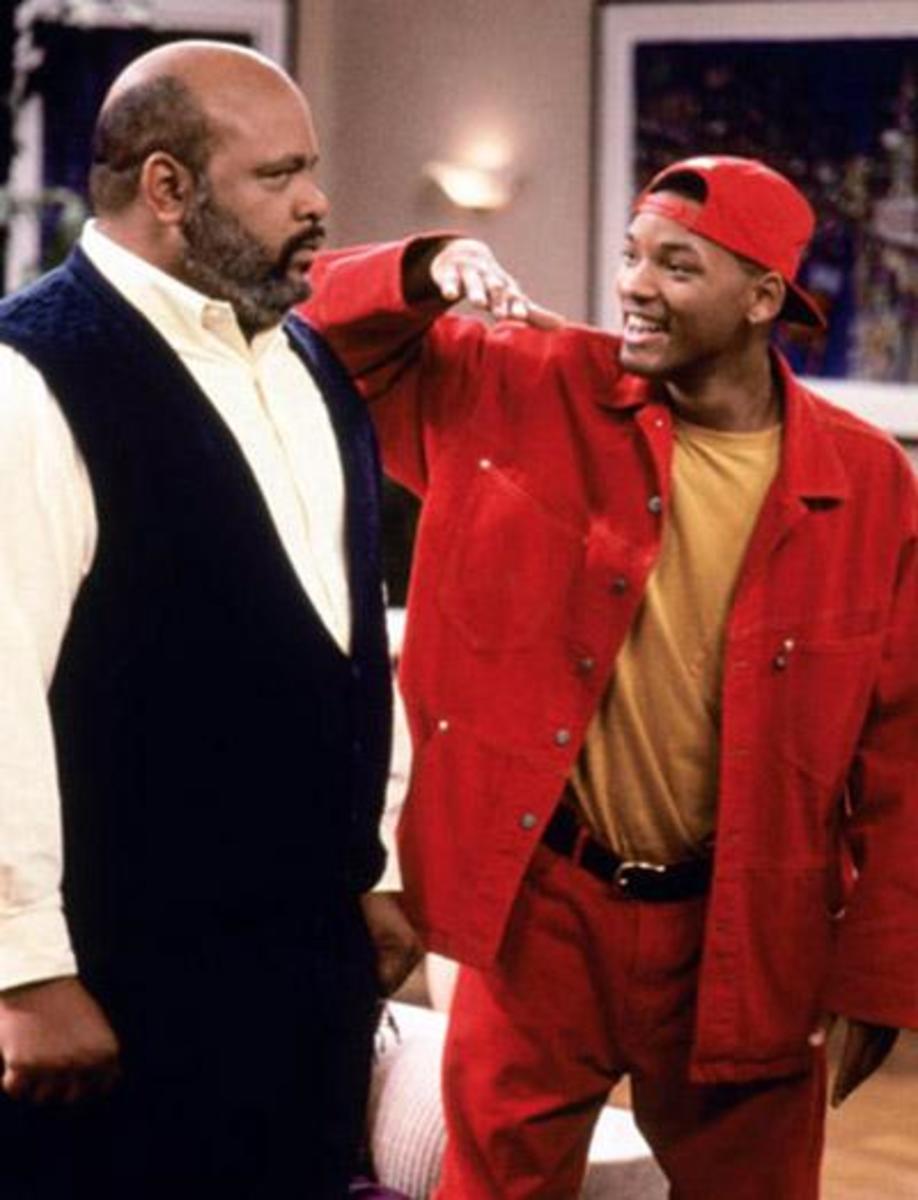
While the man could be violent and unpredictable, he was also relentlessly present. He never missed a performance, a game, or a milestone. The contradiction was devastating for a child trying to understand how love and fear could coexist in the same person.
Then came the moment that changed everything.
At nine years old, the boy witnessed his father strike his mother with such force that she collapsed, bleeding. Frozen in shock, he did nothing — and that silence haunted him for the rest of his life.
Years later, he would admit that the guilt from that moment followed him into every achievement, every joke, every standing ovation.
The confidence the world came to admire was, in many ways, armor.
As he grew older, the emotional conflict deepened. His father was both his role model and his greatest source of pain — a paradox that fractured his sense of identity.
Even after his parents separated during his teenage years, the bond remained complicated but unbroken.
Decades later, while caring for his ailing father during a battle with cancer, the actor revealed that a disturbing thought briefly crossed his mind — one rooted in years of suppressed anger. But instead of acting on it, he chose compassion.

That decision, he later said, changed everything.
His father’s death marked the beginning of healing.
When he became a parent himself, the weight of his past resurfaced. Holding his first child, he was overwhelmed not with joy — but terror. Responsibility hit instantly. He vowed not to repeat the mistakes that shaped his childhood.
Rather than control, he chose guidance. Rather than fear, he chose nurture.
That philosophy would later shape how he raised all three of his children — encouraging growth instead of obedience, identity instead of expectation.
The man behind this journey is Will Smith — global movie star, Grammy winner, and Oscar recipient whose films have generated more than $10 billion worldwide.
His personal history came full circle when he portrayed Richard Williams in King Richard, playing another intense father whose toughness shaped greatness. Smith later acknowledged the haunting similarities between the role and his own upbringing.
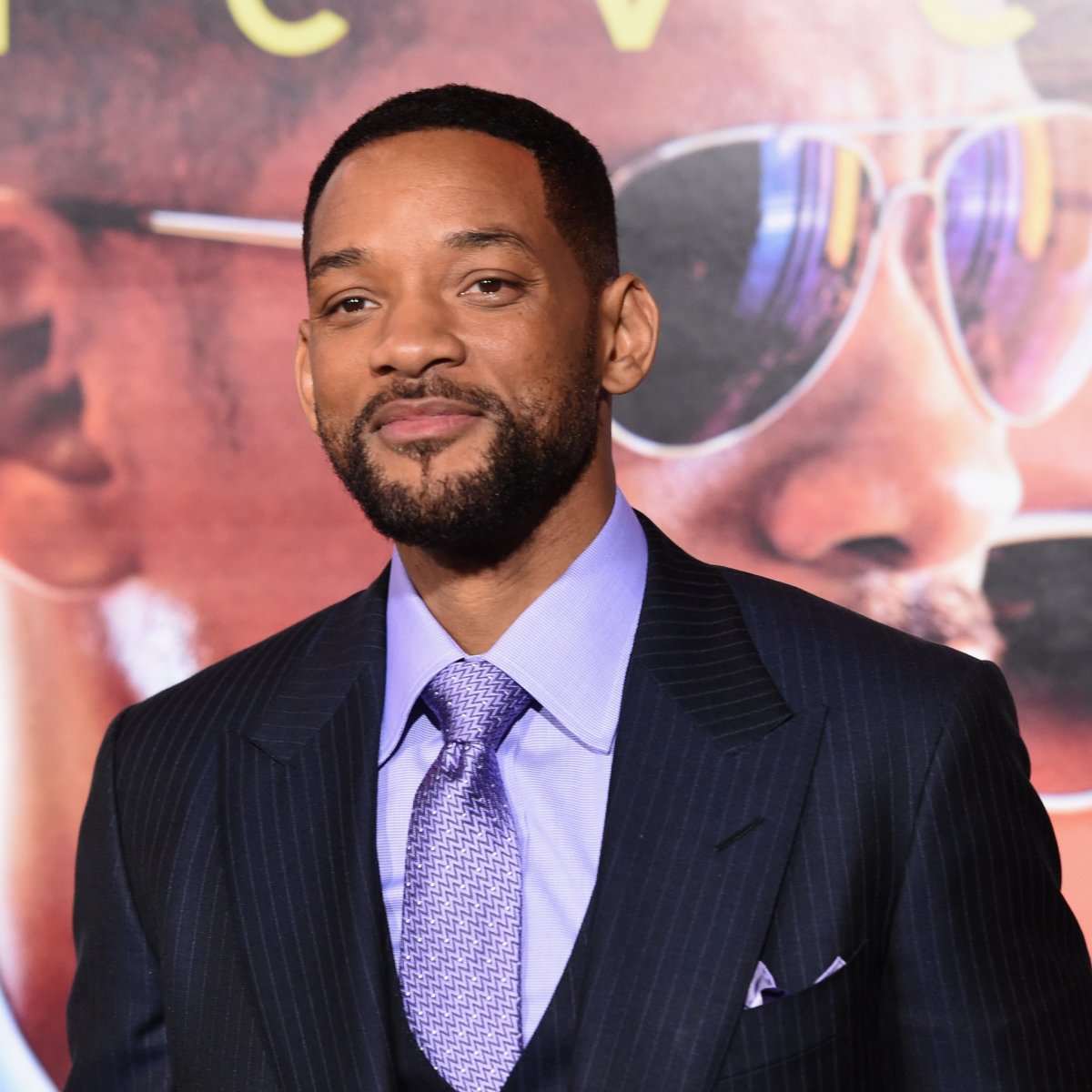
In recent years, self-examination has become central to his life — especially after the infamous 2022 Oscars incident that stunned the world.
Following the on-stage confrontation with comedian Chris Rock, Smith stepped away from the spotlight, resigned from the Academy, and began what he described as deep internal work.
He has since spoken openly about confronting parts of himself he had long ignored.
Now 57, Smith remains active — releasing new music, exploring documentary storytelling, and continuing to rebuild his public image.
Despite controversy, fortune, and fame, his journey ultimately tells a deeper story — one of trauma, accountability, forgiveness, and the long road toward peace.
Behind the Hollywood legend stands a man still learning how to heal the child he once was.